Churchfield Road Acton removals for narrow street properties
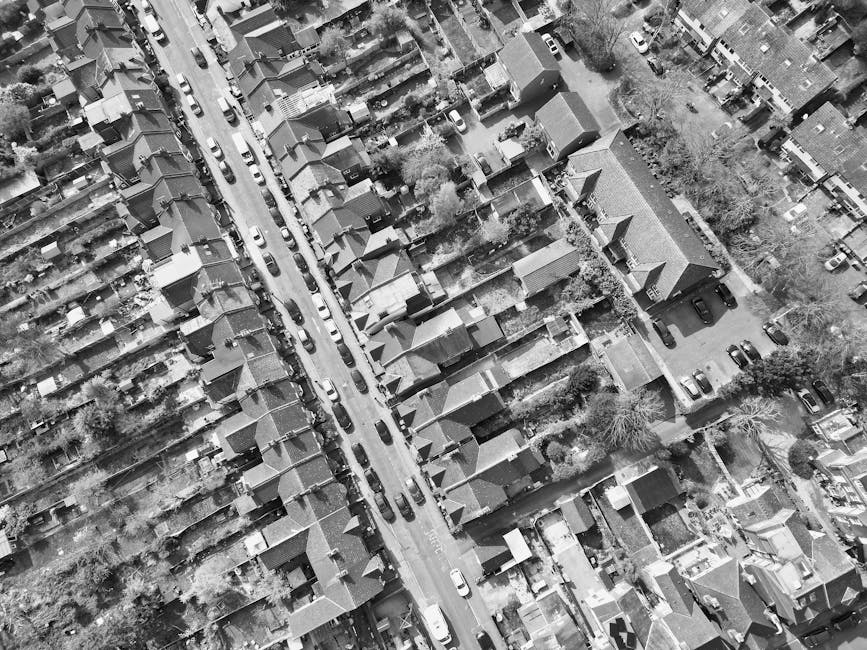
Moving on Churchfield Road in Acton is not quite the same as moving on a wider suburban road. Narrow carriageways, parked cars, tight turns, awkward front steps, and the simple problem of nowhere to pause can turn a straightforward move into a bit of a puzzle. That is exactly why Churchfield Road Acton removals for narrow street properties need a more careful plan than a standard home move. If you are dealing with a top-floor flat, a converted terrace, or a house with limited frontage, the difference between a smooth move and a stressful one is often in the preparation.
This guide walks through how narrow-street removals work, why they matter, what to expect on the day, and how to avoid the common snags that catch people out. It also covers practical choices like vehicle size, parking strategy, packing, and when it makes sense to use services such as flat removals, man and van, or home moves depending on the property and load. Let's face it, in a street like Churchfield Road, a little planning goes a long way.
Expert summary: narrow-street moves are won before the van arrives. The best results usually come from accurate access checks, realistic vehicle selection, clear packing, and a move plan that assumes space will be tight rather than generous. That mindset saves time, avoids damage, and reduces the sort of last-minute chaos nobody wants on moving day.
- Why narrow-street removals matter in Churchfield Road, Acton
- How the move works in practice
- Key benefits and practical advantages
- Who this is for and when it makes sense
- Step-by-step guidance
- Expert tips for better results
- Common mistakes to avoid
- Tools, resources and recommendations
- Law, compliance and best practice
- Options and comparison table
- Case study or real-world example
- Practical checklist
- Conclusion
- Frequently asked questions
Why Churchfield Road Acton removals for narrow street properties Matters
Churchfield Road and nearby streets in Acton often combine several moving challenges at once: limited kerb space, neighbours' parked vehicles, short frontage, and homes that may sit close to the road. That mix matters because removals are not only about lifting boxes. They are about access, timing, and safe movement of bulky items through a space that may not really want bulky items moving through it.
In practical terms, a narrow street can affect almost every part of the job. A larger van may not fit comfortably. A crew may have to park further away and carry items by hand. Doorways and stairs can become bottlenecks. If the property is a flat above shops, or a converted terrace with shared access, the load-in may need more patience than muscle. And honestly, patience is a moving tool too.
This is where local awareness makes a real difference. A mover who understands narrow-street logistics will think ahead about vehicle size, carrying distance, and how to avoid blocking the road longer than necessary. That is especially useful if you are moving at a busy time of day when passing traffic, delivery vans, and pedestrians are all sharing the same stretch of road.
There is also a neighbourly side to it. On a tight street, one badly parked vehicle can affect several households. Clear planning helps reduce friction, which is a small thing until it becomes a big thing. Then it becomes very big indeed.
How Churchfield Road Acton removals for narrow street properties Works
A successful narrow-street move usually starts long before moving day. The process is less about "turn up and load" and more about assessing access, selecting the right setup, and breaking the work into manageable stages.
1. Access assessment
The first question is simple: how much space is actually available? That means looking at the road width, nearby parking patterns, any loading restrictions, the distance from van to front door, and whether stairs or internal hallways create pinch points. If the property has awkward access, a brief walkthrough or even a few good photos can help shape the plan.
2. Vehicle choice
In a narrow street, the biggest van is not always the smartest van. Sometimes a smaller removal van or a flexible man with van setup is a better fit than a larger truck, especially if the street leaves very little room to manoeuvre. For bigger loads, a larger vehicle may still work, but only if access and parking are realistic. The point is to match the vehicle to the street, not the other way around.
3. Packing and load planning
Items that are properly packed, labelled, and grouped by room make the day calmer. Heavy items should be packed to keep them stable; fragile items should not be floating around inside a half-filled box. If you need a hand with wrapping, boxing, or organising awkward items, packing and boxes and packing and unpacking services can take a lot of pressure off the process.
4. Arrival and positioning
On the day, the team will usually aim to park as close as possible without causing problems for traffic, neighbours, or the property itself. On some streets, that means a short walk from the vehicle. On others, access can be almost door-to-van if timing is right. The difference often comes down to whether the move starts early and whether the route was thought through properly.
5. Loading, carrying, and protection
Good movers will use furniture covers, blankets, straps, and a sensible carry order. First out are usually the larger or most awkward items, because once the van begins to fill, it becomes harder to move big things around safely. Narrow entrances call for steady handling rather than rushed movement. There's no glory in scraping a wall just to shave thirty seconds off a lift.
6. Delivery and placement
At the new property, the same logic applies in reverse. The team will place items where requested, keeping heavier items close to the ground where possible and avoiding unnecessary shuffling through tight hallways. If there are stairs, low ceilings, or awkward corners, it helps to have the rooms prepared in advance. It sounds obvious, but plenty of moves stall because a sofa is waiting at the door while someone clears a path inside.
Key Benefits and Practical Advantages
When narrow-street removals are handled properly, the advantages are not just about convenience. They affect safety, speed, and stress levels in ways that are easy to underestimate at the start.
- Less disruption on the street: a smaller or better-planned vehicle can reduce blocking and keep neighbours happier.
- Lower risk of damage: careful route planning means fewer bumps against walls, gates, and parked cars.
- More efficient loading: when the access plan is clear, the team can work in a logical order instead of improvising.
- Better handling of awkward items: furniture, mattresses, mirrors, and appliances are easier to move when the carrying path is mapped out.
- Less last-minute stress: if parking and access are sorted early, the day feels calmer. You can actually breathe.
Another underrated benefit is communication. On a narrow road, everyone benefits when the move is explained clearly in advance. The neighbours know what is happening, the crew knows what to expect, and the homeowner is not left guessing whether the van will fit. That kind of clarity can save a surprising amount of time.
If you are comparing options, it may also help to look at broader support services such as removal services, house removals, or even house removalists if your property includes bulky furniture, stairs, or multiple rooms of belongings.
Who This Is For and When It Makes Sense
This kind of service is a strong fit for anyone moving from a property where access is tight or the street environment is not friendly to larger vehicles. That includes people in upper-floor flats, terraced houses, maisonettes, and older converted buildings where the front path, doorway, or parking situation is a bit awkward.
It also makes sense if your move has one or more of these features:
- the road is narrow and heavily parked
- you cannot reserve much frontage outside the property
- the property has steep stairs or tight internal turns
- you are moving larger furniture through limited access points
- the move needs to happen quickly because of timing or access rules
Students moving into or out of smaller rented spaces often find this useful too, especially when their belongings are spread across boxes, suitcases, and one too many oddly shaped items. Likewise, people dealing with a last-minute change may benefit from same day removals if the timing is genuinely tight and the access problem is part of the challenge.
For commercial properties near Churchfield Road, a narrow street can also affect timings for shop stock, small offices, or studio spaces. In those cases, a move may be better planned as part of a wider commercial moves approach rather than treated like a simple van job.
Step-by-Step Guidance
Here is a practical way to organise the move so it feels manageable rather than chaotic.
- Check the street conditions early. Look at parking, turning space, and any restrictions. If you can, visit at the same time of day the move will happen, because what looks fine at 10 a.m. can be very different at school-run time.
- Measure the awkward bits. Door widths, hallway corners, stair landings, and any large furniture need to be measured. One missing measurement can create a very annoying surprise.
- Decide what vehicle size is realistic. A smaller van can sometimes outperform a bigger one on narrow roads because it gets closer to the door and makes loading simpler.
- Sort and label everything before moving day. Put room names on boxes and separate fragile items from heavy ones. That saves time at both ends.
- Protect the property. Cover floors, remove obstacles, and keep pets or children out of the main carrying route.
- Plan the carry path. Decide where bulky items will be taken out, where they will be placed in the van, and what should go first.
- Allow for delays. On narrow streets, traffic and parking can add a few extra minutes. Not every move runs like clockwork, and that's normal.
- Confirm the final placement plan. Make sure everyone knows what goes into which room at the destination, especially if it is a flat or split-level home.
If storage is part of the move, maybe because the new place is not ready or only some items are going straight across, a short-term storage arrangement can keep things from becoming crowded and messy. That is often a sensible pressure valve.
Expert Tips for Better Results
After enough moves, you notice the same few details make the biggest difference. Not fancy tricks. Just simple decisions done well.
Keep the load close to the property, if possible
If you can position the van so the team is not carrying every item half-way down the street, do it. Even a short reduction in carry distance can save time and reduce strain. On Churchfield Road, that can be the difference between a manageable move and a long, sweaty one.
Use the smallest vehicle that still fits the job
People often assume bigger is better. Sometimes it is. Sometimes it is just awkward. A vehicle that is too large for the street can create more problems than it solves.
Pack awkward items separately
Long mirrors, lamp bases, plants, disassembled shelves, and loose chair legs should not be buried under soft items. Keep them grouped and clearly marked. It sounds basic, but it saves an impressive amount of faffing about.
Think about the staircase as much as the street
Many narrow-street moves fail not because of the road but because of the stairwell. Tight bends, low ceilings, and shared landings matter just as much as parking. People sometimes forget this until a sofa pauses halfway up the stairs like it has taken a personal objection.
Build in a bit of buffer time
A move that looks like two hours on paper can easily take longer once access, carrying, and loading are included. A bit of slack in the schedule helps keep the day human.
If you want a more hands-on approach, man with a van or man with van options can be a sensible middle ground for smaller moves or partial loads. For larger home relocations, a fuller removals service may be the better fit.
Common Mistakes to Avoid
Most narrow-street problems are avoidable. The frustrating part is that they are usually avoidable in very ordinary ways.
- Assuming a larger van will automatically save time. If it cannot access the street properly, it may slow everything down.
- Ignoring parking pressure. Even a legally parked vehicle can create a problem if it blocks turning space or loading access.
- Underestimating carrying distance. Ten extra metres with a wardrobe is no joke.
- Leaving packing to the last minute. That leads to loose items, weak boxes, and slow loading.
- Not telling neighbours or managing expectations. A quick note or conversation can prevent friction later.
- Forgetting to check furniture dimensions. A sofa that fits the hallway on paper may still catch on the stair turn in reality.
- Putting all the heavy items in one place. That creates unstable boxes and awkward loading patterns.
There is also a mindset mistake: thinking the move should somehow "just work" without any access planning. Truth be told, narrow street removals reward preparation. They really do.
Tools, Resources and Recommendations
You do not need a truck full of specialist gadgets to make a narrow-street move work. But a few simple tools and sensible support services help a lot.
| Need | Helpful option | Why it helps |
|---|---|---|
| Smaller access-friendly move | man and van | More flexible for tight roads and smaller loads |
| Full household relocation | home moves | Better for larger inventories and structured moving plans |
| Furniture-only move | furniture removals | Useful when bulky items are the main challenge |
| Specialist item handling | piano removals | Important for heavy, delicate, or awkward instruments |
| Clear pricing preparation | pricing and quotes | Helps you compare options with fewer surprises |
For protection and reassurance, it is also worth reviewing insurance and safety and the company's health and safety policy. That does not mean you expect problems; it means you are being sensible. Moving day has enough variables already.
If you are moving into a flat with limited access, the details on flat removals may also be worth checking, because the same narrow-street logic often applies inside shared buildings too.
Law, Compliance, Standards, or Best Practice
For a move like this, the main thing is not legal drama; it is safe, respectful, and lawful operation. In the UK, moving firms are expected to follow sensible road safety practices, handle goods carefully, and work in a way that does not create unnecessary risk to people or property. If parking restrictions apply, they should be respected. If a route is unsafe, it should be adjusted. If an item is too awkward to carry as planned, the plan should change.
That may sound obvious, but it matters. Narrow street removals are often close-quarter operations. Good practice includes clear communication, careful lifting, avoiding obstruction, and making sure the vehicle choice and crew size are suitable for the job. If you are moving valuable, fragile, or unusually heavy items, the level of care should rise accordingly.
It is also wise to check the company's terms and conditions before you book. That is not exciting reading, admittedly. Still, it helps you understand what is included, what happens if access is worse than expected, and how any changes are handled. You may also want to review payment and security, especially if you are arranging a larger move or paying a deposit.
For environmentally minded customers, recycling and sustainability can matter as well, especially if old furniture, packaging waste, or unwanted household items need to be handled responsibly. A narrow-street move can still be a tidy one.
Options, Methods, or Comparison Table
Different move types suit different property layouts. Here is a simple way to think about the main choices.
| Option | Best for | Strengths | Watch-outs |
|---|---|---|---|
| Man and van | Smaller moves, partial loads, quick turnarounds | Flexible, often easier on narrow streets | May be less suitable for large family homes |
| Full removals service | Whole-house moves, more furniture, more structure | More support, better for bigger inventories | Requires stronger access planning |
| Furniture-only move | Bulky single items or a few key pieces | Simple and efficient | Still needs careful measurements |
| Storage plus move | Staged moves or delayed completion dates | Reduces pressure if the new property is not ready | Needs extra coordination |
If the road is especially tight, a leaner approach may actually work better than a large full-service vehicle. In some cases, a flexible removal van plus a well-organised crew can be the most practical answer. For others, especially when the home contains a lot of furniture, a broader removal services package is the safer choice.
Case Study or Real-World Example
Picture a typical Acton move on a weekday morning. A family is leaving a first-floor flat on a narrow stretch off Churchfield Road. There is parking on both sides, but not much room to breathe. A standard large van would struggle to get close to the entrance without blocking the street for too long.
Instead of forcing a bigger setup, the move is planned around a smaller vehicle, boxed items are grouped by room, and the heavier furniture is taken out first. The crew keeps the carry path short and clear. One person stays focused on the van layout, another on protecting the walls and bannisters, and the owner keeps keys, documents, and fragile items separate. Nothing dramatic. No heroics. Just a move that respects the street.
The difference is obvious by midday: fewer delays, less shouting, no scraping sounds down the stairwell, and far less tension in the air. The neighbours are not thrilled about any move, of course, but they are not inconvenienced for long either. That is the real win. A narrow-street move should feel controlled, not theatrical.
Practical Checklist
Use this checklist before moving day. It helps. More than you might think.
- Confirm the exact property address and access details
- Check the width and condition of the road
- Review parking, loading, and turning space
- Measure bulky furniture and awkward stair turns
- Choose the most suitable vehicle size
- Label boxes clearly by room
- Pack fragile items securely and separately
- Keep essential items in a separate bag or case
- Protect floors, walls, and door frames where needed
- Tell neighbours if the move may affect shared access
- Allow extra time for loading and parking
- Review insurance, safety, and terms before booking
- Plan where items will go in the new property
- Arrange storage if the move is staged or delayed
If you need a simple quote path for a narrow-street move, it is sensible to compare options early through removal companies and the company's pricing and quotes information. A little early comparison can save a lot of guessing later.
Conclusion
Churchfield Road Acton removals for narrow street properties are all about fitting a moving plan to the reality of the street, not wishing the street were different. When access is tight, the smartest move is usually the one that starts with measurements, realistic vehicle choice, and clear packing. That is what keeps the day calm, safe, and much less tiring than it needs to be.
Whether you are moving from a compact flat, a terraced house, or a home with awkward frontage, the goal is the same: get everything out safely, avoid damage, and keep the process manageable. If that means using a smaller van, booking additional help, or spreading the move across a couple of stages, fair enough. That is often the best decision, not the compromise.
Get a free quote today and see how much you can save.
With the right plan, even a tricky Acton street can become just another moving day - busy, yes, but perfectly handleable. And honestly, that is a pretty good place to be.
Frequently Asked Questions
What makes Churchfield Road Acton removals for narrow street properties different from a normal move?
The main difference is access. Narrow streets reduce parking space, turning room, and sometimes the size of vehicle that can safely reach the property. That changes the whole moving plan.
Can a large removal van still work on a narrow Acton street?
Sometimes, yes, but only if the road layout, parking conditions, and turning space allow it. In many cases, a smaller van is easier and safer.
Should I choose man and van or a full removals service?
It depends on how much you are moving. A man and van setup is often ideal for smaller loads or tight-access properties, while a full service suits larger house moves.
How far in advance should I plan a narrow-street move?
The earlier the better, especially if parking is tight or you need to coordinate access with neighbours. Even a short planning window helps with vehicle choice and packing.
What should I measure before moving day?
Measure doorways, stair turns, hallways, large furniture, and any outdoor access points. Those measurements help avoid surprises when lifting bulky items.
Do I need to warn my neighbours?
It is usually a good idea, yes. A quick heads-up can reduce friction, especially where parking or shared access may be affected.
What happens if the van cannot park right outside?
The crew may need to park farther away and carry items by hand. That is manageable, but it can add time, so it is best built into the plan from the start.
Is packing and boxing worth it for a narrow-street move?
Usually, yes. Well-packed boxes are faster to load, easier to stack, and less likely to get damaged during a stop-start move. Services like packing and boxes can really help.
What if I need to move quickly because of a deadline?
If timing is tight, a service such as same day removals may be appropriate, provided the access details are clear and the move is realistic for the vehicle and crew.
Are narrow-street removals safe for heavy furniture?
They can be, as long as the team uses the right lifting techniques, protective materials, and a sensible carry route. Safety matters more than speed here.
Can storage help if my new place is not ready?
Yes. A short-term storage solution can reduce stress if completion dates do not line up cleanly.
What is the biggest mistake people make on moves like this?
Assuming access will sort itself out. On a narrow street, small planning errors become big delays very quickly. A measured approach is usually the safer bet.