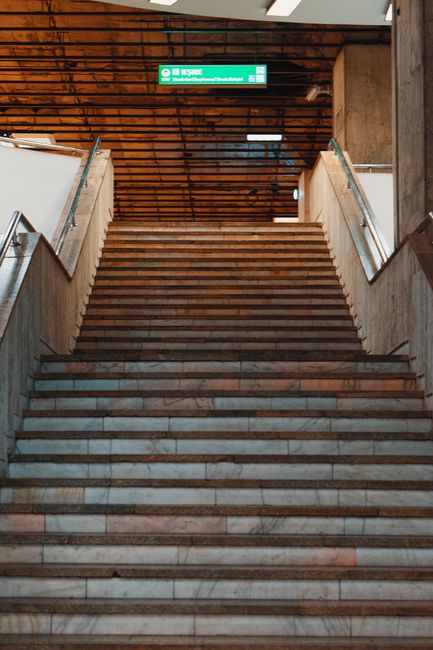
Acton Town Station furniture removals with stair access help
Moving furniture near Acton Town Station can be straightforward on paper and awkward in real life. The moment you meet a narrow stairwell, a turning landing, or a heavy wardrobe that simply will not bend to the shape of the building, the job changes. That is where Acton Town Station furniture removals with stair access help becomes valuable: careful planning, the right equipment, and a team that knows how to move bulky items without damaging walls, banisters, or the furniture itself.
Whether you are clearing a flat, moving into a new home, or shifting a single awkward piece, stair access can make the difference between a smooth move and a stressful one. In this guide, we will walk through how it works, why it matters, what good practice looks like, and how to avoid the classic mistakes that lead to delays, scratches, and unnecessary lifting. Truth be told, stairs are often the real problem, not the sofa.
If you also need wider moving support, it can help to look at related services such as furniture removals, flat removals, and man and van options, depending on the size of the move.
Table of Contents
- Why Acton Town Station furniture removals with stair access help matters
- How it works
- Key benefits and practical advantages
- Who this is for and when it makes sense
- Step-by-step guidance
- Expert tips for better results
- Common mistakes to avoid
- Tools, resources and recommendations
- Law, compliance, standards, or best practice
- Options, methods, or comparison table
- Case study or real-world example
- Practical checklist
- Conclusion
- Frequently asked questions
Why Acton Town Station furniture removals with stair access help Matters
Stair access changes the whole character of a furniture move. A two-person lift that seems fine at ground level can become awkward as soon as there is a bend in the staircase or a low ceiling above the turn. Near a busy station area like Acton Town, the challenge can be even more noticeable: tighter residential layouts, flats above shops, older conversions, and the kind of staircases that were never designed with modern furniture in mind.
The practical issue is simple. Furniture is usually larger than the stair space available, and the routes inside a building are often less forgiving than people expect. A sofa may fit through the front door but not around the first landing. A wardrobe may need to be disassembled. A fridge or washing machine may be heavier than it looks and harder to grip safely. And if you rush, the risk of damage rises fast.
Stair access help matters because it protects three things at once:
- Your furniture, by reducing knocks, twisting, and strain on joints or frames.
- The property, by lowering the chance of chipped paint, scuffed walls, broken banisters, or damaged flooring.
- The people moving, by making lifting safer and more controlled.
In our experience, the most stressful moves are rarely the biggest ones. They are the ones where a single awkward flight of stairs turns a simple job into a careful puzzle. That is why planning, measurements, and the right moving method are not optional extras. They are the move.
For customers wanting broader support, it can also be worth reviewing removal services and house removals if the furniture move is part of a larger relocation.
How Acton Town Station furniture removals with stair access help Works
Good stair-access moving is less about brute force and more about method. A well-run furniture removal starts before anyone touches the item. First, the access route is checked. Then the item is measured. Then the team decides whether it can be carried intact, rotated on the stairs, dismantled, wrapped, or moved with an alternative approach.
A sensible process usually includes the following stages:
- Assess the access - measure stair width, ceiling height, landing space, doorway clearances, and any tight turns.
- Identify the item - check weight, shape, removable parts, fragile surfaces, and whether it can be safely lifted by hand.
- Protect the route - use floor coverings, corner protection, blankets, or wraps where needed.
- Choose the lifting method - two-person carry, team carry, partial dismantling, or in some cases, moving in sections.
- Move slowly and communicate - clear calls, steady pacing, and no sudden turns on the staircase.
- Set down carefully - avoid dragging, especially on landings where the furniture can swing unexpectedly.
The best teams will also plan the order of items. Heavy or awkward pieces often need to go first, while smaller items follow once the route is clear. That sounds obvious, but in a narrow stairwell, sequencing saves energy and reduces risk. A lot of problems start when people carry the wrong thing first and end up boxed in halfway up the stairs. Not ideal.
If the move is part of a flat relocation, you may also find packing and boxes useful, especially when boxes need to be grouped by size and weight so stair carrying stays manageable.
Key Benefits and Practical Advantages
There are clear advantages to arranging stair access help instead of trying to handle everything yourself. Some are obvious; others only become obvious after the move, usually when people are sore and staring at a scuffed wall.
1. Less risk of damage
Professional handling reduces the chance of chipped plaster, broken handles, bent legs, crushed corners, and scratched bannisters. Even small damage can be annoying to repair, and in rented accommodation it may cause avoidable hassle.
2. Better control on tight stairs
Furniture that must be angled, turned, or paused on a landing needs calm handling. A measured approach gives the team more control and reduces the chance of a slip or impact.
3. Safer lifting
Stairs make lifting harder on backs, shoulders, and wrists. Using proper technique and enough people makes a real difference. It is not dramatic, just sensible.
4. Faster problem-solving
When a piece does not fit neatly, experienced movers tend to spot options quickly: removing feet, detaching a headboard, wrapping corners, or taking a different route.
5. Less stress for you
Let's face it, most people do not want to spend their day arguing with a wardrobe on the first landing. Having stair access help means you can focus on the move itself rather than the mechanics of carrying furniture.
6. Better suited to local housing stock
Older London buildings, compact maisonettes, and split-level flats often need more care than standard homes. Stair access help matches that reality instead of pretending all homes have broad hallways and easy turns.
Who This Is For and When It Makes Sense
This type of service is useful in more situations than people first think. It is not just for major house moves. In fact, smaller jobs can be the trickiest if there is only one heavy item and a narrow staircase to deal with.
- Flat residents moving in or out of upper-floor properties.
- Families with large furniture that will not fit safely around stairs.
- Students or young professionals shifting beds, desks, and storage units in compact buildings.
- Landlords and tenants who need furniture moved without damaging communal areas.
- Homeowners moving items between floors or out to storage.
- Businesses moving office furniture through internal stairs or split-level spaces.
It also makes sense when you have a tight schedule. If you are collecting furniture before work, after a long commute, or during a short access window, you do not want to waste time on trial-and-error lifting. A planned stair-access move gets the job done with less faff.
For commercial settings, related support such as commercial moves and office removals may be relevant if the furniture is being moved from a workspace rather than a home.
Step-by-Step Guidance
Here is a practical way to approach a furniture move with stair access. It is simple enough, but the details matter.
- Measure first
Check the furniture dimensions and the staircase route. Do not just measure the widest bit of the item; measure handles, feet, arms, and any protruding parts too. - Check for obstacles
Look for light fittings, wall shelves, radiators, railings, and awkward turns. Those are the bits that catch people out. - Decide what can stay assembled
Some items are fine as they are. Others are much easier once legs, drawers, doors, or shelves are removed. - Prepare wrapping and protection
Use blankets, stretch wrap, or edge protection for fragile surfaces. This is particularly helpful for polished wood and painted finishes. - Assign roles
One person should lead, another should support, and everyone should know when to stop. Good communication is worth more than strength here. - Move slowly on the stairs
Pause on landings if needed. Reset grip before turning. If something feels unstable, stop and reassess. - Recheck the route on the way out
Sometimes the down route is trickier than the up route. It is weirdly common.
A small but useful note: if the staircase is carpeted, furniture can shift differently under load than on hard flooring. That sounds minor, but it can affect grip and footing. A couple of seconds spent adjusting is better than a rushed step and a bang against the wall.
Expert Tips for Better Results
These are the kind of details that tend to make stair-access removals noticeably smoother.
Use the furniture shape to your advantage. Long items sometimes fit better diagonally, while bulky items may need to be tilted slightly to clear a landing. The trick is knowing when to angle, and when not to. There is no prize for forcing the wrong position.
Keep the route clear before moving. Shoes, plant pots, loose mats, and boxes all become hazards once people start carrying something heavy. Clear everything you can before the first lift.
Do not underestimate corners. Most damage happens on the turn, not on the straight section. A corner requires patience, a bit of communication, and sometimes a temporary reset.
Wrap fragile edges, not just the full item. A blanket over the middle is good. Protection on the corners and handles is better. You will notice the difference when the item brushes a wall.
Use short, direct instructions. "Up a little," "pause," "turn left," "set down." Clear commands are easier to follow than vague chatter. Not very glamorous, but it works.
Keep pets and children away from the route. It sounds obvious, and yet this is one of those things that gets missed on busy moving days.
And if you are moving a particularly awkward item, such as a large armchair or a cabinet with fixed shelves, it may be worth combining stair-access help with furniture pick up so the item is handled from collection to delivery in one organised process.
Common Mistakes to Avoid
A lot of stair-related problems come from the same few mistakes. Once you know them, they are easy to spot.
- Skipping measurements. Guessing is risky. A tape measure is far cheaper than a damaged wall.
- Forgetting about turning space. The item may fit the stair width but fail at the landing.
- Trying to move everything assembled. Some furniture just needs partial dismantling. No shame in that.
- Using too few people. One strong person is not always the answer. Balance matters.
- Rushing the final turn. That is where most scrapes happen.
- Ignoring building access rules. Communal areas, parking restrictions, and time windows can all affect the move.
- Not planning where items will go. If the landing or room is cluttered, the move becomes clumsy very quickly.
The biggest mistake, honestly, is assuming all staircases are similar. They are not. One building might have wide, forgiving stairs; another might have a narrow climb with a sharp return and almost no room to breathe. Same furniture, completely different challenge.
Tools, Resources and Recommendations
You do not need a warehouse full of equipment for a good stair-access move, but a few practical tools make life much easier.
- Moving blankets for surface protection.
- Stretch wrap for drawers, cushions, and loose doors.
- Furniture sliders for short internal shifts on suitable flooring.
- Gloves with grip to improve handling.
- Tape measure for quick width and height checks.
- Corner protectors if the route is especially tight.
- Basic tools for removing legs, shelves, or handles when appropriate.
If you are still deciding on the right approach, services such as removal van support or man with van options can suit lighter loads, while larger or more complex jobs may benefit from a moving truck. The right fit depends on item size, access, and how much needs moving at once.
For people moving into temporary accommodation or needing space between move-out and move-in dates, storage can be a very practical pressure release. Sometimes a short delay is the simplest answer.
Law, Compliance, Standards, or Best Practice
Furniture removals with stair access are not usually about heavy regulation in the way some trades are, but there are still important standards and best-practice expectations. In the UK, moving work should be approached with a proper focus on safety, risk reduction, and care for property. That means suitable lifting methods, sensible staffing, clear communication, and attention to access conditions.
For customers, the most useful thing is to choose a provider that treats health and safety seriously and explains how belongings will be handled. If insurance is available, it should be understood rather than assumed. It is also wise to read service terms carefully so you know what is covered, what is excluded, and what your responsibilities are before the move begins.
At a practical level, best practice usually includes:
- identifying access risks before arrival;
- using enough people for the load;
- protecting floors, walls, and furniture where needed;
- avoiding unsafe solo lifts on stairs;
- keeping walkways clear and communication consistent;
- being realistic about what can be moved intact.
If you want reassurance on these points, the site's health and safety policy, insurance and safety information, and terms and conditions pages are sensible places to review before booking. That kind of reading is not thrilling, granted, but it does help avoid surprises later.
Options, Methods, or Comparison Table
There is more than one way to handle stair-access furniture removals. The right method depends on what is being moved and how tricky the staircase is.
| Method | Best for | Pros | Limitations |
|---|---|---|---|
| Two-person carry | Small to medium furniture with clear stairs | Simple, quick, cost-effective | Not ideal for awkward turns or heavy items |
| Team carry | Bulky or valuable items | More control and stability | Needs coordination and enough space |
| Partial dismantling | Wardrobes, beds, shelving, large desks | Easier stair clearance, reduced damage risk | Takes time and requires tools |
| Wrapped carry with protection | Painted, polished, or fragile furniture | Better surface protection | Can make items bulkier to handle |
| Storage first, delivery later | Moves with timing gaps or space issues | Removes time pressure | Extra step, not always necessary |
For a lot of people, the best answer is not one method alone. It is a combination. For example, a bed frame may be dismantled, a mattress carried protected, and a chest of drawers moved intact. Mixed methods are normal. That is what keeps the move efficient.
Case Study or Real-World Example
Picture a typical move near Acton Town: a one-bedroom flat on an upper floor, a narrow staircase with a landing turn, and a few pieces that are just a bit too big for comfort. Nothing outrageous. But enough to make the day awkward if nobody plans ahead.
In that sort of move, the first job is often to identify the troublemakers: a bed frame, a wardrobe, and a sofa with chunky arms. The team checks whether the wardrobe can be dismantled, whether the sofa has removable feet, and whether the stairwell needs extra protection on the walls and handrail. The route is cleared, the sharp corners are wrapped, and the largest item is moved first while everyone is fresh.
The difference is usually obvious. Instead of stopping halfway and trying to improvise, the move stays steady. There is less backtracking, less dragging, and less tension generally. The final room placement still takes patience, but the hard part is controlled from the start. Small win, big relief.
That is really the point of stair access help: not glamour, not gimmicks, just a calmer move with fewer little disasters along the way.
Practical Checklist
Use this checklist before moving day. It keeps the process grounded and saves a lot of last-minute panic.
- Measure the furniture, including handles and legs.
- Measure stair width, landing space, and door openings.
- Check for tight turns, low ceilings, and wall obstacles.
- Decide which items can be dismantled.
- Prepare blankets, wrap, tape, and basic tools.
- Clear the stair route and surrounding floor space.
- Protect walls, floors, and banisters if needed.
- Confirm who is lifting, guiding, and opening doors.
- Arrange parking or access in advance if the move needs it.
- Have a backup plan for items that do not fit first time.
If the move also involves assembling furniture after delivery, or unpacking into a new flat, it may be useful to look at packing and unpacking services as part of the wider plan. A little help early can save a lot of time later.
Conclusion
Acton Town Station furniture removals with stair access help are about making a complicated part of moving feel manageable. Stairs are one of the main reasons furniture moves become stressful, but with the right preparation, the right tools, and a careful approach, they do not have to be a problem. Measure properly, protect the route, move steadily, and do not force items through spaces that are clearly too tight.
The best outcomes usually come from simple habits done well: good communication, sensible lifting, and a realistic plan. That is the unglamorous truth of moving, but it works. And when the last box is finally in place and the stairwell is clear again, you will be glad you handled it properly.
If your move involves awkward access, heavy pieces, or a busy schedule, the next sensible step is to plan the route and get the right support lined up before moving day arrives.
Get a free quote today and see how much you can save.
Frequently Asked Questions
What does stair access help mean in furniture removals?
It means the moving team helps carry furniture safely up or down stairs, using the right method for the space, the item, and the route. It can include wrapping, dismantling, carrying with two or more people, and protecting the property along the way.
Can large furniture be moved through narrow stairs near Acton Town Station?
Often yes, but not always intact. It depends on the dimensions of the item and the shape of the staircase. Some pieces need to be dismantled or moved in sections, especially where there is a tight landing or a sharp turn.
Should I measure my staircase before booking furniture removals?
Yes, absolutely. Stair width, ceiling height, and landing size all matter. A quick measure can prevent delays and help the movers choose the safest approach before they arrive.
What furniture usually causes the most problems on stairs?
Wardrobes, sofas, bed frames, mattresses, fridge-freezers, large desks, and heavy cabinets are common problem items. Anything bulky, awkward, or fragile can become tricky once turns and landings are involved.
Do movers dismantle furniture before carrying it downstairs?
They often do when it makes the move safer or more practical. Removing legs, shelves, doors, or bed slats can make a big difference. Not every item needs dismantling, but it is a common and sensible option.
How can I protect walls and bannisters during a stair move?
Use blankets, padding, or edge protection where appropriate, and keep the route clear so the furniture does not brush against surfaces. Careful handling is just as important as physical protection.
Is stair access help useful for small moves too?
Yes. In fact, a single awkward item can be more annoying than a full room of easy-to-carry boxes. If the item is heavy, fragile, or hard to turn on the stairs, specialist help can save time and stress.
What should I tell the removals team before moving day?
Share the furniture dimensions, staircase layout, access restrictions, parking issues, and any fragile or valuable items. The more accurate the information, the easier it is to plan the move properly.
Can stair access help be combined with other moving services?
Yes. It is commonly used alongside home moves, flat removals, furniture removals, storage arrangements, packing support, or man and van services depending on the size of the job.
What if my furniture does not fit after all?
That happens sometimes. A good plan includes alternatives such as dismantling, a different carry angle, or temporary storage. It is better to pause and reassess than to force an unsafe lift.
How do I know whether I need a van, truck, or full removals service?
It depends on the amount of furniture, the weight, and how much stair access help is needed. A smaller load may suit a van-based move, while larger or more complex jobs may need a fuller removals setup.
Is it worth using professional help for stair access rather than doing it myself?
For many people, yes. If the furniture is heavy, the staircase is awkward, or there is any risk of damage, professional help is usually the calmer and safer route. It is one of those situations where a bit of experience goes a long way.